

Why Does Every K-Drama Have a Gorgeous Cafe Scene?
Okay, real talk — have you ever paused a Korean drama mid-episode just to screenshot a coffee shop? Because I have. Many, many times. There’s something about Korean coffee culture in K-dramas that just hits different, and honestly it took me years of binge-watching to figure out why. It’s not just pretty set design (though, wow, is it pretty). It’s not just an excuse for the leads to have awkward eye contact over oat lattes. It goes so much deeper than that — and if you’ve ever wondered why every single Kdrama seems to be 30% cafe scenes, 30% brooding by windows, and 40% emotional devastation, you’re in the right place. Let me tell you everything I know about Korea’s obsession with coffee aesthetics and why it translates so perfectly to our screens.
We’re talking specific dramas, specific cafes, specific moments that made us pause and think: I need to move to Seoul immediately. Buckle up.
Korea’s Real-Life Coffee Obsession: The Stats Will Shock You
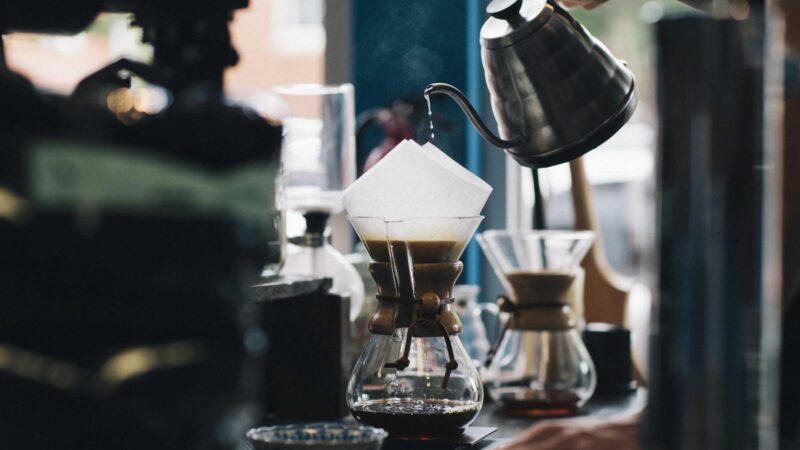
Before we even get into the dramas, here’s something that blew my mind: South Korea is one of the highest coffee-consuming nations in the world. Like, per capita, Koreans drink more coffee than almost anyone. Seoul alone has more coffee shops than some entire countries. There are entire streets — like Yeonnam-dong and Seongsu-dong — that are basically just block after block of aesthetically curated cafes with exposed brick, trailing ivy, and baristas who look like they belong in a fashion magazine.
So when a K-drama drops their leads into a cafe, they’re not just picking a random location. They’re tapping into something that’s deeply woven into Korean daily life and social culture. Coffee shops in Korea aren’t just places you grab caffeine — they’re places you have serious conversations, confess your feelings, cry quietly after a breakup, or stare pensively at rain on the window while your OST plays. Which, honestly? Same.
Here’s the thing: this cultural reality is exactly what makes K-drama cafe scenes feel so authentic rather than staged. The writers aren’t inventing a setting — they’re reflecting a world their audience actually lives in.
The Aesthetic That Launched a Thousand Pinterest Boards
Can we talk about the look for a second? Because Korean drama cafe aesthetics are doing something visually that I don’t see in Western TV at the same level. Think floor-to-ceiling windows. Think mismatched vintage furniture next to sleek minimalist counters. Think trailing plants, warm Edison bulbs, handwritten menus in both Korean and English, and pastel macaron towers just sitting there like they’re not the most photogenic things on earth.
In My Liberation Notes (2022, Netflix), the cafes in the drama feel almost like characters themselves — slightly melancholy, warm but lonely, the perfect physical space for characters who are searching for meaning. The color grading alone in that show made every coffee scene look like a film still worth framing.
And then there’s Crash Landing on You (2019-2020, Netflix), where the contrast between the bustling Seoul cafe culture and the North Korean setting is used so deliberately. When Yoon Se-ri (Son Ye-jin) steps back into that world of cappuccinos and avocado toast, the cafe becomes a symbol of everything she’s been trying to get back to — and everything Ri Jeong-hyeok (Hyun Bin) can never have. I literally cried at a cafe scene. In a military romance drama. No regrets.
Cafe Scenes as Emotional Architecture in Korean Dramas
Okay but seriously, let’s get into the storytelling function of these scenes, because this is where it gets really interesting. In Korean dramas, cafes serve as what I’d call emotional architecture — they’re the neutral ground where characters can be vulnerable in a way they can’t be at home or at work.
Think about it. Home is complicated (especially in makjang dramas where everyone’s secret mom is showing up unannounced). Work is hierarchical and tense. But a cafe? A cafe is liminal space. Nobody owns it. The background hum of an espresso machine masks awkward silences. You can leave whenever you want. It’s the perfect setting for confessions, confrontations, and every flavor of almost-but-not-quite romance.
In Coffee Prince (2007, Netflix) — the drama that basically defined a generation of K-drama fans and launched Gong Yoo into our hearts forever — the coffee shop isn’t just the setting. It’s the entire narrative engine. Eun-chan (Yoon Eun-hye) and Han-gyul’s (Gong Yoo) relationship grows, complicates, and eventually resolves within those cafe walls. The drama understood before almost any other Korean series that coffee culture wasn’t just a backdrop — it was a language.
Fast forward to Weightlifting Fairy Kim Bok-joo (2016, Netflix) and you see the same principle in play. Every time the leads meet at their campus cafe, there’s a shift in their dynamic. Those scenes are doing heavy emotional lifting while everyone’s pretending to just drink bubble tea.
The Chaebol Cafe vs. The Neighborhood Gem: Two Very Different Vibes
Hot take incoming: the type of cafe in a Korean drama tells you everything about where the story is emotionally.
There are two distinct cafe aesthetics in Kdrama land, and they’re not interchangeable. First, there’s the sleek, high-end cafe that your chaebol male lead inevitably owns or frequents — think marble counters, single-origin pour-overs, and a staff that’s way too intimidated to make small talk. These cafes signal wealth, control, and emotional unavailability. When our rich male lead sips his americano alone in one of these places, the show is telling us: this man has everything and feels nothing.
Then there’s the neighborhood gem — the tiny, quirky cafe run by a character with a sad backstory and excellent taste in indie music. This is where the real emotional action happens. This is where people cry into their lattes, where the second lead (poor thing, second lead syndrome is real and it never gets easier) shows up to offer gentle, underappreciated support, and where revelations happen at the worst possible times.
Hometown Cha-Cha-Cha (2021, Netflix) nails this perfectly. The fictional seaside town of Gongjin has exactly the kind of community cafe that functions as a village hub — warm, inclusive, where everyone knows your order and your business. It’s the anti-chaebol cafe, and it’s one of the reasons that drama felt so healing to watch.
The Rise of Cafe Culture in Romance K-Dramas: A Timeline
The Early 2000s: Coffee as Aspirational Symbol
In the early era of hallyu dramas, coffee was aspirational — a symbol of modernity and Western influence. Characters drank coffee to signal sophistication. The cafes were simple, functional, and mostly just a place for dramatic plot reveals.
The 2010s: Coffee Becomes Emotional Shorthand
This decade changed everything. Dramas like Descendants of the Sun (2016, KBS2/Netflix) started using cafe dates as full emotional sequences, complete with OST swells and meaningful looks over coffee cups. The format got sophisticated. Directors realized that putting two characters in a cafe — with all that ambient warmth and social proximity — was a shortcut to romantic tension without physical contact.
The 2020s: Cafes as Character Expression
Now? The cafe is characterization. What a character orders, how they order it, whether they make their coffee at home or spend too much at a fancy shop — these are deliberate writing choices. In Nevertheless (2021, Netflix), Jae-eon’s (Song Kang) aesthetic is so intertwined with Seoul’s indie cafe scene that it becomes part of what makes him alluring and untrustworthy simultaneously. His vibe is an artisanal coffee shop — beautiful, a little pretentious, probably going to disappoint you.
Real Korean Cafes That Became K-Drama Famous
Let me tell you something: K-drama filming locations are their own tourism category, and cafes are at the top of every fan’s list. Want to know the best part? Many of them are totally real and visitable.
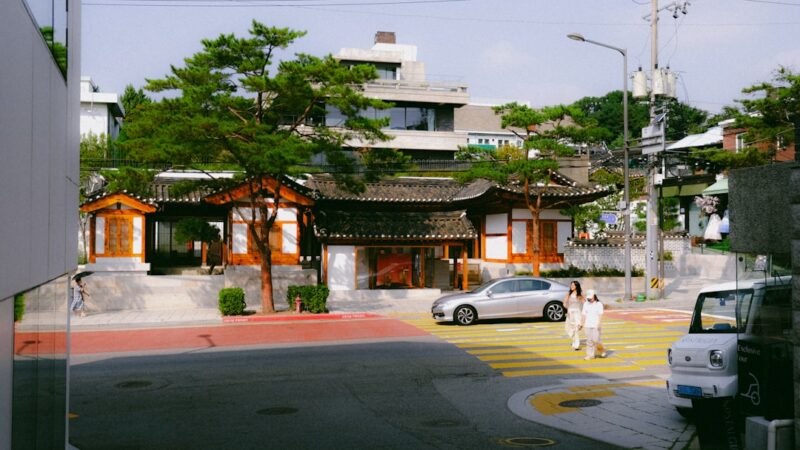
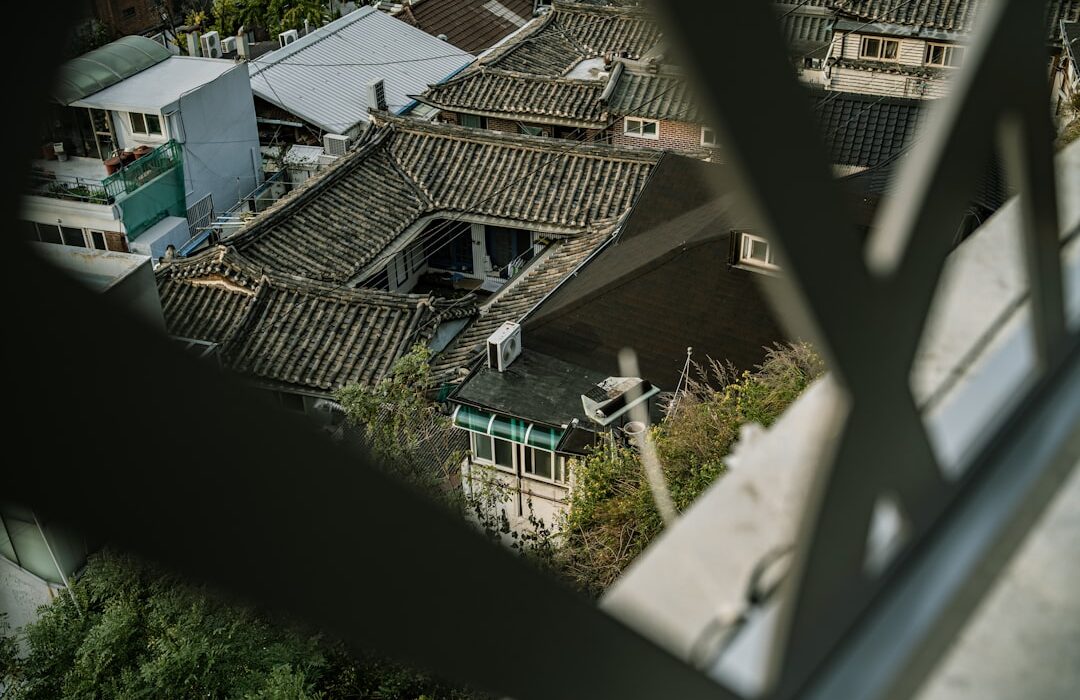
The Café Bora in Insadong, Seoul, with its purple soft-serve and stunning visual appeal, has appeared in or inspired the aesthetic of several Korean series. Walking Street cafe scenes in dramas set in the Bukchon Hanok Village area draw from those real winding alleys of traditional architecture meeting modern coffee culture. The drama Itaewon Class (2020, Netflix) used the actual Itaewon bar and cafe district so effectively that tourism to the area spiked noticeably after the show aired — and if you’ve seen Park Saeroyi (Park Seo-joon) running those Itaewon streets, you completely understand why.
There’s a whole community of fans who literally map drama filming locations and plan trips around them. And I’m not judging. I am one of them. I canceled actual plans to do exactly this research at 3am on a Tuesday. Worth it.
Why This Aesthetic Translates Globally
Here’s something worth sitting with: why does Korean coffee culture resonate so hard with international audiences? Because Netflix dramas are watched everywhere now — Squid Game (2021) proved that, but romance dramas like Business Proposal (2022) and Twenty-Five Twenty-One (2022) have massive international fanbases made up of people who have never set foot in Seoul.
I think it’s because the cafe, as a concept, is universal enough to understand but specific enough to feel like travel. When you watch a Korean series and see those cafe scenes, you’re not just watching a show — you’re experiencing a version of Korean daily life that feels aspirational and warm and achingly beautiful. The coffee culture in these dramas gives international viewers a window into something that feels real and grounded even within the most fantastical rom-com premises.
Also, and I cannot stress this enough: the food styling in Korean drama cafes is absolutely next level. I have watched characters eat a croissant on screen and immediately ordered one at midnight. The Kdrama food aesthetic is its own cultural export and I’m entirely here for it.
Frequently Asked Questions About Korean Coffee Culture in K-Dramas
Why do K-dramas always have scenes in coffee shops?
Coffee shop scenes serve multiple storytelling purposes in Korean dramas. South Korea has one of the highest coffee consumption rates in the world, so cafes are a realistic social setting. Dramatically, they provide neutral emotional ground — a place where characters can be vulnerable away from home and work pressures. They also allow for romantic tension in a socially acceptable proximity. Essentially, if something important needs to happen between two characters, a cafe is the perfect pressure cooker for it.
What is the most famous cafe in K-drama history?
Coffee Prince (2007) is probably the most famous cafe-centric Korean drama ever made. The story literally revolves around a coffee shop, with Gong Yoo’s character inheriting and revamping it. The drama is widely credited with sparking mainstream international interest in both Korean dramas and Korean cafe culture simultaneously. It’s still beloved and rewatchable nearly two decades later, which says everything.
Do Korean people actually drink as much coffee as K-dramas suggest?
Yes, absolutely — and then some. South Korea ranks among the top coffee-consuming countries globally. Seoul reportedly has more coffee shops per capita than almost any other major city in the world. The cafe culture depicted in Korean series isn’t glamorized fiction — it’s a pretty accurate reflection of how central coffee shops are to Korean social life, dating culture, study culture, and daily routine.
What streaming services have the best K-dramas with cafe aesthetics?
Netflix has the widest selection of Korean dramas internationally, including Coffee Prince, Crash Landing on You, Hometown Cha-Cha-Cha, and Itaewon Class. Viki (Rakuten Viki) is excellent for dramas that aren’t on Netflix and has a passionate fan subtitle community. Disney+ has been expanding its Korean content roster significantly since 2021. For the most complete library of Korean series, having at least Netflix and Viki covers the vast majority of what you’ll want to watch.
Are the cafes in K-dramas real places I can visit in Seoul?
Many of them are, yes! Seoul’s Seongsu-dong neighborhood is a hotspot for the kind of aesthetic indie cafes you see in Korean dramas. Yeonnam-dong, Insadong, and the Bukchon Hanok Village area are also packed with photogenic cafes that feel straight out of a drama set. Fan communities actively track and share filming locations, and there are even specialized K-drama location tours available in Seoul for serious fans. Pack comfortable shoes and a good camera.
The Bottom Line: Coffee, Cameras, and Korean Drama Magic
Korean coffee culture in K-dramas isn’t an accident or a stylistic tic — it’s a deeply intentional storytelling tool built on a foundation of real cultural significance. From the aspirational cafes of early 2000s hallyu dramas to the emotionally complex coffee shop dynamics of modern Korean series on Netflix and Viki, these scenes have evolved into one of the most recognizable and beloved elements of the genre.
Whether you’re a longtime fan who’s rewatched Coffee Prince approximately seventeen times (hi, same) or someone who just discovered Korean dramas and immediately noticed how impossibly beautiful every single cafe looks, there’s something here worth paying attention to. The coffee shop is where Korean drama hearts break and mend, where second leads valiantly lose their battles, where OSTs reach their emotional crescendos, and where we all collectively lose our minds at 3am when we should absolutely be sleeping.
Now I want to hear from you — what’s your favorite cafe scene in a Korean drama? Drop it in the comments below, and if you’re new here and want more K-drama deep dives like this one, subscribe so you don’t miss the next one. We have so much more to talk about.